

caribbean elaenia vs mariquita-de-rabo-vermelho
Elaenia martinica versus Setophaga ruticilla
Jogue um quiz com caribbean elaenia e mariquita-de-rabo-vermelho
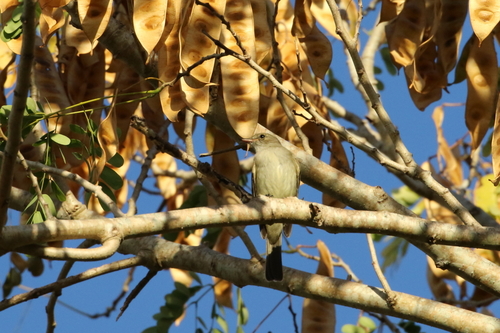 caribbean elaenia
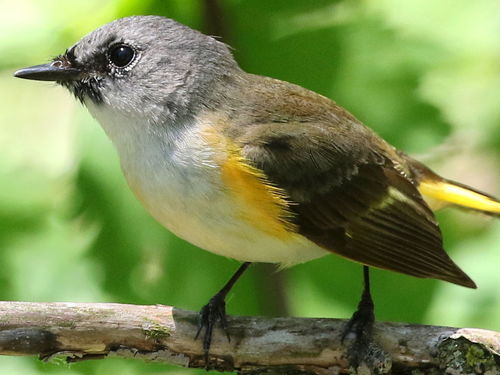 mariquita-de-rabo-vermelho
Em resumo
A marca de campo mais confiável para separar a caribbean elaenia da mariquita-de-rabo-vermelho é a presença de manchas de asas e cauda ousadas e contrastantes na mariquita (especialmente machos adultos), em comparação com a plumagem mais suave e de tom oliva com barras de asas pálidas da elaenia. Mariquitas imaturas e fêmeas podem ser confusas, mas procure pelo hábito da mariquita de exibir a cauda com manchas amarelas ou laranjas e sua construção menor e mais esbelta. A caribbean elaenia é mais robusta, com uma crista espessa, lores pálidos e duas barras de asas pálidas. A forma do bico também é uma pista forte: a elaenia tem um bico de pega mais largo e plano, enquanto o bico da mariquita é mais fino e pontudo. O habitat e o comportamento podem ajudar, mas a plumagem e a estrutura são as pistas mais seguras.
Dicas de identificação
- Procure por manchas de asas e cauda: A mariquita-de-rabo-vermelho (todas as idades/sexes) exibe manchas amarelas brilhantes (fêmea/imatura) ou laranjas (macho adulto) na cauda e nas asas, visíveis quando empoleirada ou em voo. A caribbean elaenia nunca mostra essas manchas—apenas barras de asas pálidas.
- Verifique se há uma crista espessa: A caribbean elaenia frequentemente levanta uma crista espessa com uma faixa mediana branca fraca; a mariquita não possui crista.
- Forma do bico: A elaenia tem um bico de pega largo e plano com uma base rosa escura na mandíbula; o bico da mariquita é mais fino, curto e mais pontudo, típico de um pica-pau.
- Barras de asas vs. manchas: A caribbean elaenia tem duas barras de asas pálidas (bordas/pontas das coberturas), enquanto a mariquita não tem barras de asas, mas possui manchas coloridas na base das primárias e da cauda.
- Comportamento da cauda: A mariquita frequentemente exibe e agita sua cauda, revelando manchas coloridas; a cauda da elaenia é escura e não é exibida ou agitada da mesma forma.
- Coloração geral: A elaenia é oliva a oliva pálido acima, com uma garganta cinza pálido e barriga amarelada; a mariquita é preta e laranja (macho adulto) ou oliva/cinza com manchas amarelas (fêmea/imatura), com partes inferiores brancas.
- Padrão facial: A elaenia tem lores esbranquiçados e um anel ocular fraco; o rosto da mariquita é mais simples, sem lores ou anel ocular fortes.
- Tamanho e estrutura: A elaenia é maior, mais robusta e tem uma cabeça e bico maiores; a mariquita é menor, mais esbelta e mais delicada.
- Cor das pernas: Ambas têm pernas e pés escuros; não é um separador.
- Comportamento: A mariquita é muito mais ativa, constantemente se movendo e forrageando, enquanto a elaenia é mais propensa a se sentar ereta e sair para pegar insetos.
- Confusão de sexo/idade: Mariquitas imaturas e fêmeas podem ser confundidas com a elaenia devido à sua plumagem mais apagada, mas sempre procure por manchas amarelas nas asas/cauda e comportamento mais ativo.
- Contexto do habitat: Se vista em arbustos secos ou habitat de borda nas Índias Ocidentais, a elaenia é mais provável; em florestas úmidas ou matas, especialmente durante a migração/inverno, a mariquita é mais provável.
- Vocalizações: Se você ouvir uma canção musical 'see' ou um suave 'chip', suspeite da mariquita, mas a falta de voz não é diagnóstica para a elaenia.
- Crista e faixa da coroa: Apenas a elaenia tem uma crista espessa com uma faixa mediana pálida; a mariquita nunca mostra essa característica.
- Consistência da plumagem: Ambos os sexos e todas as idades da elaenia parecem semelhantes; a mariquita apresenta diferenças sexuais e relacionadas à idade, mas sempre mantém manchas coloridas nas asas/cauda.
Tamanho
A caribbean elaenia é visivelmente maior e mais pesada (massa corporal ~21,3 g) do que a mariquita-de-rabo-vermelho (que tem uma média de cerca de 8 g em adultos). A elaenia mede 14–18 cm de comprimento, enquanto a mariquita é menor, com 11–14 cm. A elaenia é mais robusta e robusta, com uma cabeça proporcionalmente maior e um bico mais grosso. A mariquita é mais delicada, com uma cauda relativamente longa para seu tamanho, mas, no geral, muito mais leve e esbelta.
Plumagem
-
Pássaros Juvenis/Primeiro ano: Fêmeas e mariquitas imaturas não possuem o padrão preto e laranja do macho adulto, apresentando em vez disso partes superiores verde-oliva, cabeças acinzentadas e manchas amarelas nas asas e na cauda. Essas manchas amarelas são diagnósticas em todas as idades e sexos, embora às vezes sejam menos brilhantes em pássaros jovens. A caribbean elaenia de todas as idades não possui manchas nas asas ou na cauda, apresentando em vez disso duas barras de asas pálidas e partes superiores de oliva a oliva pálido, com uma crista espessa e uma faixa mediana da coroa branca fraca.
-
Adultos: Machos adultos de mariquita-de-rabo-vermelho são impressionantes: negros como carvão acima, com manchas laranja-avermelhadas ousadas nas asas, cauda e flancos, e partes inferiores brancas. Fêmeas e imaturas têm manchas amarelas (não laranjas), mas ainda mostram o mesmo padrão. Adultos de caribbean elaenia são muito mais simples, sem preto ou cor brilhante, e sempre mostram uma garganta pálida, barriga amarelada pálida e partes superiores oliva. Ambos os sexos da elaenia parecem semelhantes.
-
Em voo: Mariquitas (todas as idades/sexes) mostram flashes óbvios de amarelo ou laranja na cauda e nas asas quando exibidas ou em voo. A elaenia não mostra tais flashes, apenas bordas pálidas nas penas de voo e duas barras de asas pálidas.
Comportamento
A mariquita-de-rabo-vermelho é um forrageador muito ativo e inquieto, frequentemente agitando e exibindo sua cauda para mostrar as manchas coloridas e atrair insetos. Ela frequentemente se move através da folhagem, fazendo voos curtos e saindo atrás da presa. A caribbean elaenia é mais deliberada, frequentemente empoleirando-se ereta e saindo de um poleiro para pegar insetos, típico de pega-insetos. Ela pode levantar sua crista espessa quando está alerta. A constante exibição da cauda da mariquita é uma pista comportamental chave.
Habitat
A caribbean elaenia é encontrada nas Índias Ocidentais, partes da América Central e ilhas próximas, frequentemente em florestas abertas, arbustos e habitats de borda. A mariquita-de-rabo-vermelho se reproduz em florestas abertas ou arbustos, frequentemente perto da água, e inverna no Caribe e na América Central. A sobreposição é possível na migração ou inverno, especialmente no Caribe, mas a elaenia é residente e mais provável em habitats secos ou de borda, enquanto a mariquita prefere florestas mais úmidas e matas durante a reprodução e o inverno.
Voz
A mariquita-de-rabo-vermelho emite uma série de notas musicais 'see' como sua canção, e um suave 'chip' como seu chamado. As vocalizações da caribbean elaenia não são descritas nas notas fornecidas, portanto, a voz não é um separador confiável aqui.
caribbean elaenia · mariquita-de-rabo-vermelho · Minhas aves difíceis