
Motmot

カリブシラギクタイランチョウ 対 ハゴロモムシクイ

Elaenia martinica 対 Setophaga ruticilla

カリブシラギクタイランチョウとハゴロモムシクイのクイズ
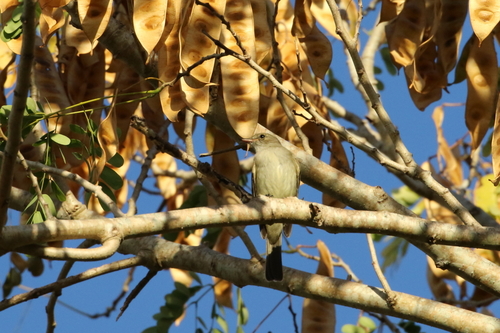
カリブシラギクタイランチョウ (Elaenia martinica) カリブシラギクタイランチョウ
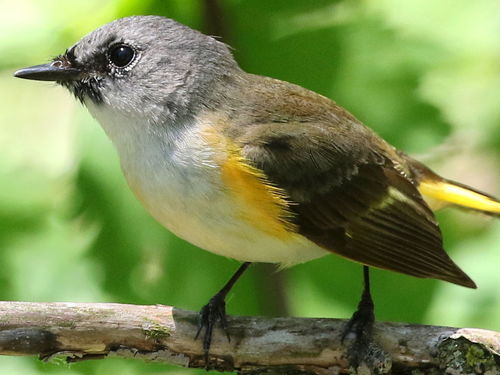
ハゴロモムシクイ (Setophaga ruticilla) ハゴロモムシクイ

メディア

読み込み中…

要点

カリブシラギクタイランチョウとハゴロモムシクイを区別する最も信頼できるフィールドマークは、ハゴロモムシクイ(特に成鳥のオス)の翼と尾のパッチが大胆で対照的であるのに対し、カリブシラギクタイランチョウはより控えめでオリーブ色の羽毛と淡い翼のバーを持っていることです。未熟なハゴロモムシクイや雌は混乱を招くことがありますが、ハゴロモムシクイの習慣的に扇状に広がった尾に黄色またはオレンジのパッチがあることや、より小さくスリムな体型を探してください。カリブシラギクタイランチョウはよりがっしりしており、ふさふさした冠羽、淡いロア、2つの淡い翼のバーがあります。くちばしの形も重要な手がかりです:カリブシラギクタイランチョウは幅広く平らなくちばしを持ち、ハゴロモムシクイのくちばしは細くて尖っています。生息地や行動も役立ちますが、羽毛と構造が最も安全な手がかりです。

識別のコツ

  1. 翼と尾のパッチを探す: ハゴロモムシクイ(すべての年齢/性別)は、止まっているときや飛んでいるときに、尾と翼に明るい黄色(雌/未熟)またはオレンジ(成鳥のオス)のパッチを示します。カリブシラギクタイランチョウはこれらのパッチを示さず、淡い翼のバーのみを持ちます。
  2. ふさふさした冠羽を確認する: カリブシラギクタイランチョウは、淡い白い中央のストライプを持つふさふさした冠羽を持ち上げることがよくありますが、ハゴロモムシクイは冠羽を持ちません。
  3. くちばしの形: カリブシラギクタイランチョウは、くちばしの下部にくすんだピンク色の基部を持つ幅広く平らなくちばしを持っていますが、ハゴロモムシクイのくちばしは細く、短く、尖っています。
  4. 翼のバーとパッチ: カリブシラギクタイランチョウは2つの淡い翼のバー(カバーの端/先端)を持ちますが、ハゴロモムシクイは翼のバーを持たず、代わりに初列風切羽と尾の基部に色付きのパッチを持っています。
  5. 尾の行動: ハゴロモムシクイは頻繁に尾を扇いで色付きのパッチを見せ、尾をフラッシュしますが、カリブシラギクタイランチョウの尾はくすんでおり、同じように扇がれたりフラッシュされたりしません。
  6. 全体の色合い: カリブシラギクタイランチョウは上面がオリーブから茶色がかったオリーブで、淡い灰色の喉と黄色がかった腹部を持っています。ハゴロモムシクイは黒とオレンジ(成鳥のオス)またはオリーブ/灰色で黄色のパッチ(雌/未熟)を持ち、白い腹部があります。
  7. 顔の模様: カリブシラギクタイランチョウは白っぽいロアと淡いアイリングを持っていますが、ハゴロモムシクイの顔はよりシンプルで、強いロアやアイリングはありません。
  8. サイズと構造: カリブシラギクタイランチョウはより大きく、がっしりしており、頭とくちばしが大きいです。ハゴロモムシクイはより小さく、スリムで繊細です。
  9. 脚の色: 両者ともに暗い脚と足を持っていますが、これでは区別できません。
  10. 行動: ハゴロモムシクイは非常に活発で、常に動き回り、餌を探しますが、カリブシラギクタイランチョウはより直立して座り、昆虫を捕まえるために飛び出すことが多いです。
  11. 性別/年齢の混乱: 未熟なハゴロモムシクイや雌は、羽毛が鈍いことからカリブシラギクタイランチョウと混同されることがありますが、常に翼や尾に黄色のパッチとより活発な行動を探してください。
  12. 生息地の文脈: 西インド諸島の乾燥した低木やエッジの生息地で見られた場合、カリブシラギクタイランチョウの可能性が高いです。湿った森や茂みでは、特に移動中や冬季にハゴロモムシクイの可能性が高いです。
  13. 鳴き声: 音楽的な「シー」という歌や柔らかい「チップ」という声を聞いた場合、ハゴロモムシクイを疑ってくださいが、声がないことはカリブシラギクタイランチョウを診断するものではありません。
  14. 冠羽と頭のストライプ: ふさふさした冠羽と淡い中央のストライプを持つのはカリブシラギクタイランチョウだけです。ハゴロモムシクイはこの特徴を示しません。
  15. 羽毛の一貫性: カリブシラギクタイランチョウのすべての性別と年齢は似ていますが、ハゴロモムシクイは強い性差と年齢差を示しますが、常に色付きの翼や尾のパッチを保持します。

大きさ

カリブシラギクタイランチョウは、ハゴロモムシクイ(成鳥の平均体重は約8g)の約21.3gの体重で、明らかに大きく重いです。カリブシラギクタイランチョウは14〜18cmの長さで、ハゴロモムシクイは11〜14cmと小さいです。カリブシラギクタイランチョウはがっしりしており、より頑丈で、相対的に大きな頭と太いくちばしを持っています。ハゴロモムシクイはより繊細で、サイズに対して比較的長い尾を持っていますが、全体的にずっと軽くスリムです。

羽色

行動

ハゴロモムシクイは非常に活発で落ち着きのない採餌者で、色付きのパッチを見せるために尾を頻繁に振ったり扇いだりし、昆虫を追い立てます。葉の間を頻繁に移動し、短い飛行を行い、獲物を追いかけます。カリブシラギクタイランチョウはより慎重で、しばしば直立して止まり、止まり木から飛び出して昆虫を捕まえることが典型的です。警戒しているときにふさふさした冠羽を持ち上げることがあります。ハゴロモムシクイの常に尾を扇ぐ行動は重要な行動的手がかりです。

生息環境

カリブシラギクタイランチョウは西インド諸島、中米の一部、近隣の島々に生息し、しばしば開けた森林、低木、エッジの生息地に見られます。ハゴロモムシクイは開けた森林や低木で繁殖し、しばしば水の近くに生息し、カリブ海や中米で冬を越します。移動中や冬に重複することはありますが、特にカリブ海ではカリブシラギクタイランチョウが常駐し、乾燥したエッジの生息地で見られる可能性が高く、ハゴロモムシクイは繁殖や冬の間に湿った森や茂みを好みます。

声

ハゴロモムシクイは一連の音楽的な「シー」という音を歌として、柔らかい「チップ」という音を呼び声として発します。カリブシラギクタイランチョウの鳴き声は提供されたメモには記載されていないため、声はここで信頼できる区別にはなりません。

より良い説明を送る

比較と同じ項目を使ってください。文章はすぐに公開されます。

The most reliable field mark to separate Caribbean Elaenia from American Redstart is the presence of bold, contrasting wing and tail patches in the redstart (especially adult males), versus the more subdued, olive-toned plumage with pale wing bars of the elaenia. Immature and female redstarts can be confusing, but look for the redstart’s habitually fanned tail with yellow or orange patches, and their smaller, slimmer build. Caribbean Elaenia is bulkier, with a bushy crest, pale lores, and two pale wing bars. Bill shape is also a strong clue: elaenia has a broader, flatter flycatcher bill, while redstart’s is finer and more pointed. Habitat and behavior can help, but plumage and structure are the safest cues.

  1. Look for wing and tail patches: American Redstart (all ages/sexes) shows bright yellow (female/immature) or orange (adult male) patches in the tail and wings, visible when perched or in flight. Caribbean Elaenia never shows these patches—only pale wing bars.
  2. Check for a bushy crest: Caribbean Elaenia often raises a bushy crest with a faint white median stripe; American Redstart lacks a crest entirely.
  3. Bill shape: Elaenia has a broad, flat flycatcher bill with a dusky pinkish base to the mandible; redstart’s bill is finer, shorter, and more pointed, typical of a warbler.
  4. Wing bars vs. patches: Caribbean Elaenia has two pale wing bars (edges/tips of coverts), while redstart has no wing bars but instead has colored patches on the base of the primaries and tail.
  5. Tail behavior: Redstart frequently fans and flashes its tail, revealing colored patches; elaenia’s tail is dusky and not fanned or flashed in the same way.
  6. Overall coloration: Elaenia is olive to brownish olive above, with a pale gray throat and yellowish belly; redstart is black-and-orange (adult male) or olive/gray with yellow patches (female/immature), with white underparts.
  7. Facial pattern: Elaenia has whitish lores and a faint eyering; redstart’s face is plainer, with no strong lores or eyering.
  8. Size and structure: Elaenia is larger, bulkier, and has a bigger head and bill; redstart is smaller, slimmer, and more delicate.
  9. Leg color: Both have dark legs and feet; not a separator.
  10. Behavior: Redstart is much more active, constantly moving and foraging, while elaenia is more likely to sit upright and sally out for insects.
  11. Sex/age confusion: Immature and female redstarts can be confused with elaenia due to their duller plumage, but always look for yellow patches in wings/tail and more active behavior.
  12. Habitat context: If seen in dry scrub or edge habitat in the West Indies, elaenia is more likely; in moist woods or thickets, especially during migration/winter, redstart is more likely.
  13. Vocalizations: If you hear a musical 'see' song or soft 'chip', suspect redstart, but lack of voice is not diagnostic for elaenia.
  14. Crest and crown stripe: Only elaenia has a bushy crest with a pale median stripe; redstart never shows this feature.
  15. Plumage consistency: Both sexes and all ages of elaenia look similar; redstart shows strong sexual and age-related differences, but always retains colored wing/tail patches.

Caribbean Elaenia is noticeably larger and heavier (body mass ~21.3 g) than American Redstart (which averages about 8 g in adults). Elaenia measures 14–18 cm in length, while redstart is smaller at 11–14 cm. The elaenia is bulkier and more robust, with a proportionally larger head and thicker bill. Redstart is more delicate, with a relatively long tail for its size, but overall much lighter and slimmer.

  • Juvenile/First-year birds: Female and immature American Redstarts lack the adult male’s black-and-orange pattern, instead showing olive-green upperparts, grayish heads, and yellow patches in the wings and tail. These yellow patches are diagnostic at all ages and sexes, though sometimes less bright in young birds. Caribbean Elaenia of all ages lacks any wing or tail patches, instead showing two pale wing bars and dull olive to brownish-olive upperparts, with a bushy crest and a faint white median crown stripe.

  • Adults: Adult male American Redstarts are striking: jet black above with bold orange-red patches on wings, tail, and flanks, and white underparts. Females and immatures have yellow (not orange) patches but still show the same pattern. Caribbean Elaenia adults are much plainer, with no black or bright color, and always show a pale throat, pale yellowish belly, and olive upperparts. Both sexes of elaenia look alike.

  • In flight: Redstarts (all ages/sexes) show obvious flashes of yellow or orange in the tail and wings when fanned or in flight. Elaenia shows no such flashes, only pale edges to the flight feathers and two pale wing bars.

American Redstart is a very active, restless forager, often flicking and fanning its tail to display the colored patches and flush insects. It frequently moves through foliage, making short flights and sallying after prey. Caribbean Elaenia is more deliberate, often perching upright and sallying out from a perch to catch insects, typical of flycatchers. It may raise its bushy crest when alert. Redstart’s constant tail fanning is a key behavioral clue.

Caribbean Elaenia is found in the West Indies, parts of Central America, and nearby islands, often in open woodland, scrub, and edge habitats. American Redstart breeds in open woodlands or scrub, often near water, and winters in the Caribbean and Central America. Overlap is possible in migration or winter, especially in the Caribbean, but elaenia is resident and more likely in drier or edge habitats, while redstart prefers moister woods and thickets during breeding and winter.

American Redstart gives a series of musical 'see' notes as its song, and a soft 'chip' as its call. Caribbean Elaenia’s vocalizations are not described in the provided notes, so voice is not a reliable separator here.

変更を破棄しますか?

保存していない編集があります。今離れると失われます。

カリブシラギクタイランチョウ · ハゴロモムシクイ · 苦手な鳥