

Verzellino vs Lucherino
Serinus serinus contro Spinus spinus
Fai un quiz con Verzellino e Lucherino
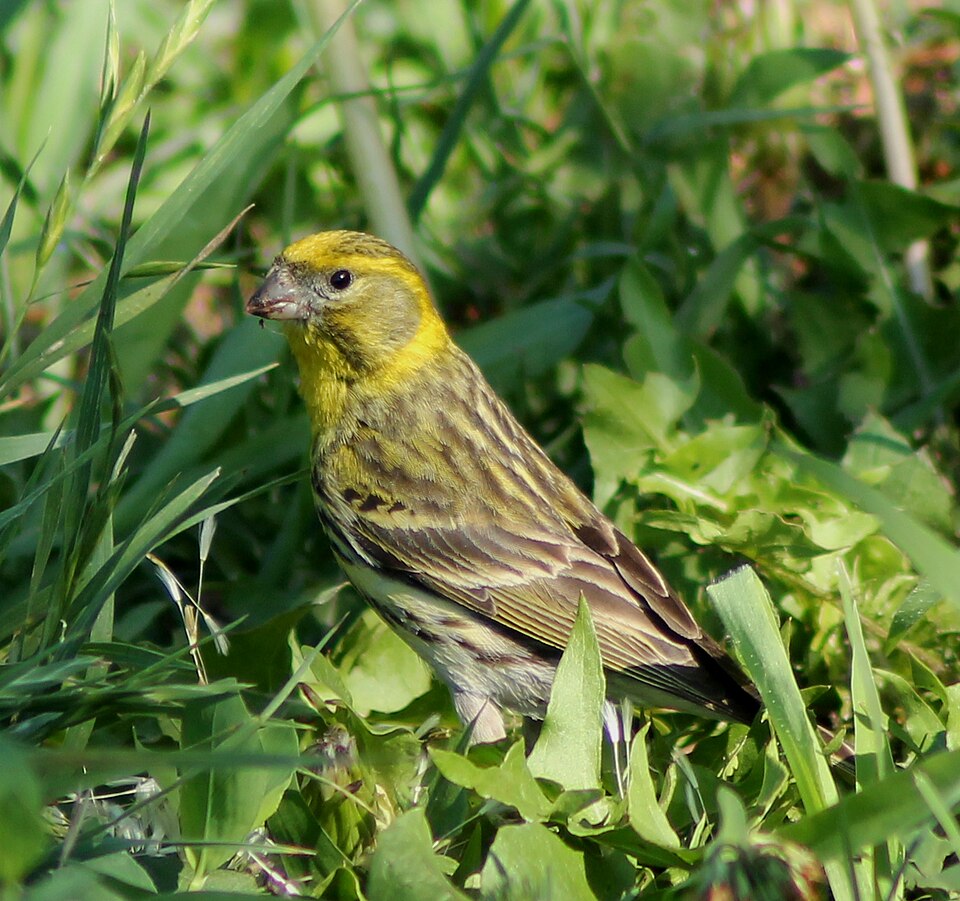 Verzellino
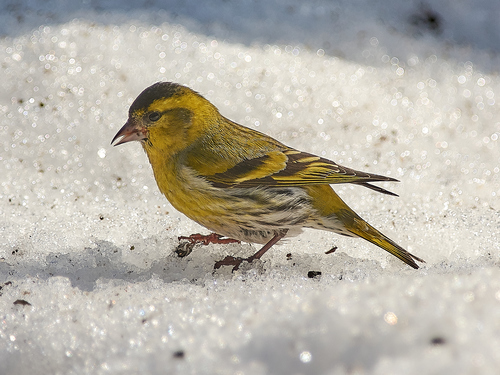 Lucherino
In breve
Il segno di campo più affidabile per separare il Verzellino dal Lucherino è la presenza di una calotta e di un collare neri nei Lucherini maschi adulti, che i Verzellini non mostrano mai. Entrambi sono piccoli fringillidi striati con giallo nel piumaggio, ma i maschi Lucherino hanno una calotta e un collare neri molto evidenti, mentre i Verzellini hanno un volto e un petto gialli uniformi con forti striature. In volo, i Lucherini mostrano una striscia gialla audace sulle ali e lati gialli della coda, mentre i Verzellini hanno barre gialle sulle ali ma mancano del contrasto nero e giallo del Lucherino. I giovani e le femmine di entrambe le specie possono essere confusi, ma i Verzellini sono più compatti e con coda corta, con un aspetto striato più uniforme e meno contrasto nelle ali. Un'attenta attenzione al modello della testa, alle marcature delle ali e all'aspetto generale di solito porterà a identificare correttamente la specie.
Consigli di identificazione
- Il maschio adulto Lucherino ha una calotta e un collare neri—il Verzellino non mostra mai nero sulla testa o sulla gola. Questo è il segno più affidabile.
- Il Verzellino è più compatto e con coda corta rispetto al Lucherino, con una coda tozza e meno biforcuta—particolarmente evidente quando è posato.
- Il Lucherino mostra una striscia gialla audace sulle ali nere (tutte le età), mentre il Verzellino ha solo barre gialle sulle ali meno contrastanti.
- In volo, la coda del Lucherino è nera con lati gialli; il Verzellino ha giallo sui lati della coda ma la coda è più corta e meno contrastante.
- Le parti inferiori del Verzellino sono fortemente striate (tutte le età), specialmente sul petto e sui fianchi; il Lucherino è meno striato sotto, specialmente nei maschi adulti, che possono apparire quasi non striati sulla gola e sul petto.
- Le femmine e i giovani Lucherini hanno un sopracciglio giallastro e una pancia più chiara e meno striata, mentre i Verzellini hanno un volto e parti inferiori più uniformi e striati senza un sopracciglio chiaro.
- I maschi Verzellino hanno un volto e un petto gialli brillanti, ma nessuna calotta o collare neri; i maschi Lucherino hanno entrambi, oltre a un contrasto giallo e nero più definito.
- La forma del becco è leggermente diversa: il becco del Lucherino è snodato e leggermente ricurvo, adattato per estrarre semi dai coni; il becco del Verzellino è più corto e tozzo.
- Il Lucherino è più probabile che venga visto nutrirsi in modo acrobatico sugli alberi, specialmente su ontano o abete; il Verzellino è più spesso in cerca di cibo più in basso, in cespugli o a terra.
- Ascolta il canto: il Verzellino emette un ronzio rapido e simile a un insetto; il Lucherino canta una serie di trilli e cinguettii più musicali e vari.
- L'habitat può aiutare: il Lucherino preferisce boschi di conifere o misti; il Verzellino è più tipico di boschi aperti, terreni agricoli o giardini con alberi sparsi.
- Composizione del branco: nei branchi misti, il Lucherino è spesso la specie più numerosa e avvicinabile nel nord/centro Europa; il Verzellino è più comune nel sud.
- Confusione giovanile: i giovani di entrambe le specie sono striati e opachi, ma la striscia alare del Lucherino è sempre più ampia e più evidente, e il volto è meno uniforme rispetto a quello del Verzellino.
- Contesto stagionale: il Lucherino è più probabile che irrompa in gran numero in inverno, specialmente in anni con scarse produzioni di coni; il Verzellino è più residente nel sud, con solo popolazioni settentrionali che migrano.
- Se hai dubbi, concentrati sul modello della testa e sulle marcature delle ali: La presenza o l'assenza di una calotta nera e la larghezza/contrasto della striscia gialla sulle ali sono i segni di campo più sicuri in tutte le età, tranne che nei giovani più opachi.
Taglia
Entrambe le specie sono simili in lunghezza (11–12,5 cm per il Lucherino, 11–12 cm per il Verzellino), ma il Lucherino è leggermente più pesante (media 13,8 g contro non indicato per il Verzellino, ma il Verzellino è il più piccolo fringillide europeo). Sul campo, il Verzellino appare spesso ancora più compatto e con coda corta rispetto al Lucherino. Il Lucherino può apparire un po' più lungo nelle ali e meno tozzo, specialmente in volo.
Piumaggio
-
Piumaggio giovanile e femminile: Entrambe le specie sono striate e giallastre, ma le femmine e i giovani Lucherini sono più di tonalità oliva sopra, con un giallo meno vivace e una pancia più chiara e meno striata. Il Verzellino di tutte le età è più fortemente striato sotto, specialmente sul petto e sui fianchi, e ha un volto più opaco e uniforme senza calotta o collare. I giovani e le femmine Lucherini mancano della calotta e del collare neri, ma mostrano comunque un sopracciglio giallastro e una striscia gialla sulle ali, che è più ampia e più evidente rispetto alle barre del Verzellino.
-
Piumaggio del maschio adulto: I maschi Lucherino sono inconfondibili con una calotta e un collare neri, un volto giallo brillante e una striscia gialla audace sulle ali nere. I maschi Verzellino hanno un volto e un petto gialli brillanti, barre gialle sulle ali e lati gialli della coda, ma non hanno nero sulla testa o sulla gola. Le striature del Verzellino sono più pesanti e più estese sotto.
-
Viste in volo: Il Lucherino mostra un forte contrasto tra ali nere e striscia gialla sulle ali, e coda nera con lati gialli. Le ali del Verzellino sono meno contrastanti, con barre gialle ma non una striscia solida, e la coda è più corta e meno biforcuta.
Comportamento
Entrambe le specie sono attive, sociali e spesso viste in branchi, specialmente al di fuori della stagione riproduttiva. I Lucherini sono alimentatori acrobatici, che spesso pendono a testa in giù dai coni o dai catkin, e sono più propensi a essere visti nutrirsi in alto sugli alberi. I Verzellini sono anche attivi ma tendono a cercare cibo più in basso, spesso in cespugli o a terra. Entrambe le specie sono appariscenti e non particolarmente timide, ma i Lucherini possono essere più fiduciosi e avvicinabili in branchi misti.
Habitat
Il Lucherino favorisce boschi di conifere e misti, specialmente dove sono presenti ontano e abete, ed è comune in gran parte dell'Europa e dell'Eurosiberia. Il Verzellino preferisce boschi aperti, aree coltivate e luoghi con alcune conifere, ma è più tipico dell'Europa meridionale e centrale e del Nord Africa. In inverno, entrambi possono essere trovati in una varietà di habitat, ma il Lucherino è più probabile in boschi densi o parchi con alberi maturi, mentre il Verzellino è più spesso in aree aperte o semiaperte.
Voce
Il canto del Verzellino è un trillo rapido e ronzante, spesso paragonato a una moneta che gira o a un ronzio simile a un insetto. Il canto del Lucherino è un piacevole mix di cinguettii e trilli, più musicale e vario rispetto al ronzio monotono del Verzellino. Anche i richiami sono diversi: il Verzellino emette un 'tsee' acuto e tagliente, mentre il Lucherino ha un richiamo più morbido e cinguettante. Nei branchi misti, la voce può essere un indizio utile.