
Motmot

ウチワハチドリ 対 アンチルカンムリハチドリ

Eulampis holosericeus 対 Orthorhyncus cristatus

ウチワハチドリとアンチルカンムリハチドリのクイズ
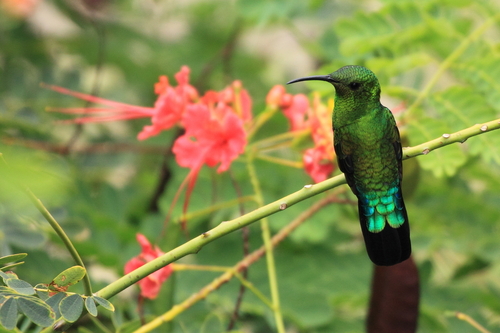
ウチワハチドリ (Eulampis holosericeus) ウチワハチドリ
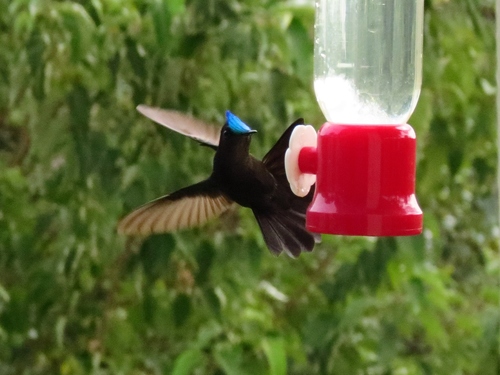
アンチルカンムリハチドリ (Orthorhyncus cristatus) アンチルカンムリハチドリ

メディア

読み込み中…

要点

これら二種を区別する最も信頼できるフィールドマークは、オスのアンチルカンムリハチドリに見られる目立つ緑または青緑の冠の存在であり、これは年齢や性別に関係なくウチワハチドリには全く存在しません。ウチワハチドリはまた、はるかに大きくてがっしりしており、特に雌では明らかに長くてより曲がったくちばしを持っています。フィールドでは、ウチワハチドリの明るい緑のゴルゲットと黒い腹部に対して、冠のある個体はすすけた下腹部(オス)または淡い灰色の下腹部(雌)を持っています。尾の模様とくちばしの形も役立ちますが、鈍い雌や悪い光がいくつかの色を隠すことに注意してください。幼鳥や未熟な特定の翼の模様はどちらの種にも記載されていないため、まずは構造と頭の模様に焦点を当ててください。

識別のコツ

  1. Crest presence (males only): オスのアンチルカンムリハチドリは目立つ金属的な緑から青緑の冠を示します—年齢や性別に関係なくウチワハチドリには冠がありません。
  2. Bill shape and length: ウチワハチドリは特に雌で明らかに長くてより曲がったくちばしを持っています; 冠のある個体のくちばしは短く、まっすぐで、両性ともに黒です。鳥が止まっているときや餌を食べているときにこれを使用してください。
  3. Size and structure: ウチワハチドリははるかに大きくてがっしりしています(6.2 g、10.5–12 cm)、頑丈な体と重い印象を持っています。冠のある個体は小さく、軽く、より繊細な体型です。
  4. Gorget and throat color: 両性のウチワハチドリは明るい緑のゴルゲットを持っています(オスには青い縁がありますが、通常は目立ちません);冠のあるオスはすすけた黒い喉と下腹部を持ち、雌は淡い灰色の下腹部を持っています。
  5. Back color: 両者は緑がかった背中を持っていますが、ウチワハチドリの方が明るくて均一です;冠のある個体の背中は鈍い金属的な青銅色です。
  6. Underparts (females): 雌のウチワハチドリは暗い腹部を持っています;雌の冠のある個体は淡い灰色の下腹部を持ち、しばしば青銅色の上部と対照的です。
  7. Tail pattern: ウチワハチドリの尾は暗い青(しばしば黒に見える)で、淡い先端がありません。雌の冠のある個体は四つの外尾羽に広い白っぽい灰色の先端を示します—これら二種の中で独特です。
  8. Tail shape: 両者は丸い尾を持っていますが、冠のある個体の方が相対的に短くてコンパクトです。
  9. Head pattern (females): 雌の冠のある個体は冠を持っていませんが、青銅色の前頭部と冠を持っています;ウチワハチドリの雌は背中に合った無地の緑の冠を持っています。
  10. Voice: ウチワハチドリの鋭い「チュッ!」または「チュウプ!」は、冠のある個体の「ツィップ/ツィップ」と「ツリー・ツリー・ツリー」シリーズよりも音楽的ではありません。フィールドでは呼び声が区別しにくいことがあるため、注意して使用してください。
  11. Behavior: 両者はテリトリーを持っていますが、冠のある個体は特に攻撃的で、時には非鳥類種を攻撃することもあります。ウチワハチドリのオスは一年中テリトリーを守り、雌は主に繁殖期以外に守ります。
  12. Flight style: ウチワハチドリは飛行中に重くて力強く見えます;冠のある個体はより速くて機敏です。
  13. Habitat: 重複しているため診断的ではありませんが、両者は庭や乱れた地域で一般的です。
  14. Pitfalls: 鈍い雌のウチワハチドリはあまり鮮やかに見え、悪い光がウチワハチドリの青い尾や緑のゴルゲットを隠すことがあります。雌の冠のある個体の淡い下腹部と尾の先端は、よく見られると信頼できます。
  15. No age-specific wing pattern: どちらの種にも特有の幼鳥/未熟な上翼や飛行マークはなく、すべての年齢に対して冠、くちばし、下部/尾の模様に依存してください。

大きさ

ウチワハチドリは明らかに大きくて重い(体重約6.2 g [wikidata])で、長さは10.5–12 cmです。アンチルカンムリハチドリは明らかに小さくて繊細で、くちばしは明らかに短く、よりコンパクトな印象を持っています。直接比較すると、ウチワハチドリはよりがっしりしていて頑丈に見え、冠のある個体は小柄で機敏に見えます。

羽色

行動

両種はテリトリーを持ち、攻撃的ですが、アンチルカンムリハチドリは他のハチドリだけでなく非鳥類種を攻撃することで知られており、時には地域の多様性を減少させることもあります。ウチワハチドリのオスは一年中餌場のテリトリーを守り、雌は主に繁殖期以外に守ります。両種は蜜や小さな節足動物を食べ、しばしば飛行中に昆虫を捕まえます。飛行中、ウチワハチドリは重くて力強く見え、冠のある個体はより速くて機敏です。

生息環境

両種はプエルトリコから小アンティル諸島までの範囲を共有し、庭、二次成長、家の周りの植生に見られます。ウチワハチドリは人間の影響を受けた生息地にうまく適応し、一般的に存在する場所ではよく見られます。アンチルカンムリハチドリは同様の範囲と生息地の好みを持っていますが、フロリダでは迷鳥として記録されています。生息地だけではこれら二種を区別する信頼できる要素ではありません。

声

ウチワハチドリは鋭い「チュッ!」または「チュウプ!」の呼び声を出し、争いの際には rattles や wing whirs を生成します。アンチルカンムリハチドリの呼び声は短い「ツィップ」または「ツィップ」音に加え、より長い「ツリー・ツリー・ツリー・ツリー」シリーズがあります。ウチワハチドリの呼び声は鋭くて音楽的ではなく、冠のある個体の呼び声は高音でより繰り返しが多いです。しかし、呼び声はフィールドでの重複や観察者の経験により、常に診断的ではありません。

より良い説明を送る

比較と同じ項目を使ってください。文章はすぐに公開されます。

The most reliable field mark to separate these two is the presence of a prominent green or blue-green crest on the male Antillean Crested Hummingbird, which is entirely absent in Green-throated Carib of any age or sex. Green-throated Carib is also much larger and bulkier, with a noticeably longer and more decurved bill, especially in females. In the field, note the Carib’s bright green gorget and black belly versus the Crested’s sooty underparts (male) or pale grey underparts (female). Tail pattern and bill shape are also helpful, but beware of dull females and poor light masking some colors. Juvenile or immature-specific wing patterns are not described for either species, so focus on structure and head pattern first.

  1. Crest presence (males only): Male Antillean Crested Hummingbird shows a prominent metallic green to blue-green crest—no crest in Green-throated Carib of any age or sex.
  2. Bill shape and length: Carib has a noticeably longer and more decurved bill, especially in females; Crested’s bill is short, straight, and black in both sexes. Use this when birds are perched or feeding.
  3. Size and structure: Carib is much larger and bulkier (6.2 g, 10.5–12 cm), with a robust body and heavier jizz. Crested is smaller, lighter, and more delicate in build.
  4. Gorget and throat color: Carib of both sexes has a bright green gorget (with a blue border in males, usually not obvious); Crested males have a sooty black throat and underparts, females have pale grey underparts.
  5. Back color: Both have greenish backs, but Carib’s is brighter and more uniform; Crested’s is dull metallic bronze-green.
  6. Underparts (females): Female Carib has a dark belly; female Crested has pale grey underparts, often contrasting with bronzy-green upperparts.
  7. Tail pattern: Carib’s tail is dark blue (often appears black), lacks pale tips. Female Crested shows broad whitish-grey tips on four outer tail feathers—unique among these two.
  8. Tail shape: Both have rounded tails, but Crested’s is proportionally shorter and more compact.
  9. Head pattern (females): Female Crested lacks any crest, but has a bronzy-green forehead and crown; Carib females have a plain green crown, matching the back.
  10. Voice: Carib’s sharp 'chup!' or 'chuwp!' is less musical than Crested’s 'tsip/tzip' and 'tslee-tslee-tslee' series. Use with caution, as calls can be hard to separate in the field.
  11. Behavior: Both are territorial, but Crested is especially aggressive, sometimes attacking non-bird species. Carib males defend territories year-round, females mainly in non-breeding season.
  12. Flight style: Carib appears heavier and more powerful in flight; Crested is quicker and more agile.
  13. Habitat: Overlapping, so not diagnostic, but both are common in gardens and disturbed areas.
  14. Pitfalls: Dull female Caribs can appear less vibrant, and poor light may obscure the Carib’s blue tail or green gorget. Female Crested’s pale underparts and tail tips are reliable when seen well.
  15. No age-specific wing pattern: Neither species has a distinctive juvenile/immature upperwing or flight mark, so rely on crest, bill, and underpart/tail pattern for all ages.

Green-throated Carib is significantly larger and heavier (body mass about 6.2 g [wikidata]) and measures 10.5–12 cm in length. Antillean Crested Hummingbird is distinctly smaller and more delicate, with a noticeably shorter bill and more compact jizz. In direct comparison, Carib will look bulkier and more robust, while the Crested appears petite and agile.

  • Juvenile/immature wing pattern: No distinctive age-specific upperwing or flight marks are described for either species, so these are not reliable for separation.
  • Adult males: Green-throated Carib males have a bright green gorget bordered by blue (though the border is usually not obvious), a bright green back, black belly, green vent, and a dark blue tail that can appear black. Antillean Crested Hummingbird males have a metallic green to blue-green crest, dull metallic bronze-green upperparts, sooty black underparts, and a black rounded tail. The crest is the key difference.
  • Adult females: Female Caribs are similar to males but with a duller green back and a longer, more strongly decurved bill. Their underparts remain dark. Female Crested Hummingbirds lack a crest, have metallic bronzy-green upperparts, light grey underparts, and a blackish tail with four outer feathers broadly tipped whitish grey. This pale tail tip is unique among these two.
  • Tail: Carib’s tail is dark blue (often looks black), while Crested’s is blackish and rounded, with females showing distinctive white tips on the outer feathers.
  • Bill: Carib’s bill is longer and more decurved (especially in females); Crested’s is short, straight, and black in both sexes.

Both species are territorial and aggressive, but Antillean Crested Hummingbird is noted for attacking not only other hummingbirds but also non-bird species, sometimes reducing local diversity. Green-throated Carib males defend feeding territories year-round, while females do so mainly outside the breeding season. Both species feed on nectar and small arthropods, often catching insects on the wing. In flight, Carib appears heavier and more powerful, while Crested is quicker and more nimble.

Both species share a range from Puerto Rico through the Lesser Antilles and can be found in gardens, second growth, and vegetation around homes. Green-throated Carib adapts well to human-affected habitats and is generally common where present. Antillean Crested Hummingbird has a similar range and habitat preference, but is also recorded as a vagrant in Florida. Habitat alone is not a reliable separator between these two.

Green-throated Carib gives a sharp 'chup!' or 'chuwp!' call, and during disputes, produces rattles and wing whirs. Antillean Crested Hummingbird calls are short 'tsip' or 'tzip' notes, plus a longer 'tslee-tslee-tslee-tslee' series. The Carib’s call is sharper and less musical, while the Crested’s is higher-pitched and more repetitive. However, calls are not always diagnostic in the field due to overlap and observer experience.

変更を破棄しますか?

保存していない編集があります。今離れると失われます。

ウチワハチドリ · アンチルカンムリハチドリ · 苦手な鳥